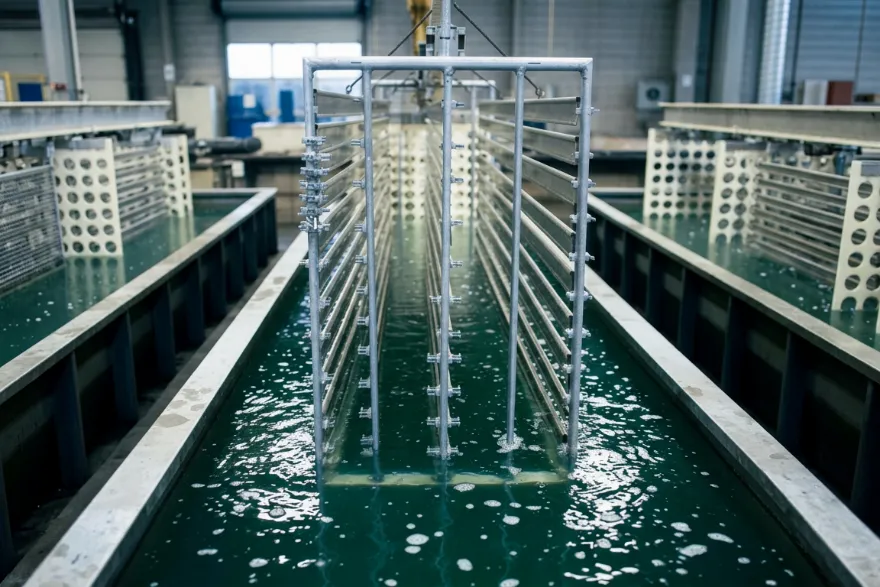


Type II and hard (Type III) anodize both protect aluminium, but they serve different wear, thickness and colour goals. Specifying the wrong class shows up as early wear, colour mismatch or rejected plating.
When each anodize class fits
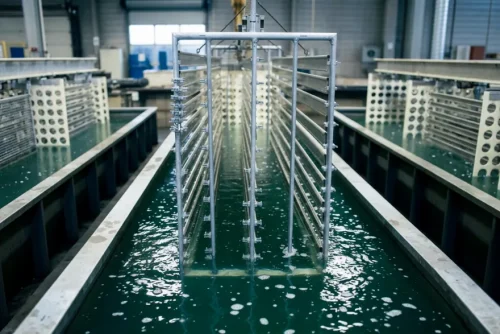
Type II (sulfuric) is the everyday decorative and corrosion finish. Hard anodize builds a thicker, denser coating for abrasion and insulation. Divine Precision helps match the class to the duty cycle, not to a habit from a previous programme.
Choose carefully when your part needs:
- Wear resistance on sliding or abrasive surfaces
- Consistent colour or dye across visible faces
- Electrical insulation or dielectric strength
- Dimensional growth accounted for in tight fits
- Corrosion protection in outdoor or marine exposure
- Masking of threads, grounds or sealing diameters
Coating growth consumes diameter and thickness budget. We confirm stock allowance before machining finishes when hard coat is likely.
Seven specification checkpoints
1. Duty cycle
Sliding wear and grit push toward hard coat; cosmetic panels often stay Type II.
2. Thickness target
Hard coat is thicker; fits and threads must allow for growth.
3. Alloy family
2000/7000 series behave differently than 5000/6000 in dye and hardness.
4. Colour and gloss
Dyed Type II is common; hard coat colour options are more limited.
5. Sealing
Seal choice affects corrosion and dye retention.
6. Masking plan
Grounds, threads and seal diameters need clear mask notes.
7. Post-machining sequence
Critical bores may be finish-machined after coat when tolerances demand it.
Type II vs hard anodize at a glance
Indicative comparison for RFQ discussions with Divine Precision finishing partners.
| Attribute | Type II anodize | Hard anodize (Type III) |
|---|---|---|
| Typical thickness | ~5 – 25 µm | ~25 – 50+ µm |
| Wear resistance | Moderate | High |
| Colour options | Wide (clear/dye) | Limited / dark grey tones |
| Best for | Cosmetic + corrosion | Abrasion / insulation |
Always state alloy, required thickness, colour and whether dimensions are before or after coat. Ambiguity here is the most common finishing NCR we see.
Where hard coat growth would break a fit, we propose stock on diameter or a selective mask before you lock the print.
What to put on the drawing note
Reference the anodize type, thickness range, colour/dye, seal and any masked features. Call out surfaces that must remain conductive.
Send the print with alloy and annual volume. We will confirm finishing route, lead time and any machining stock adjustments in the quote.